

Publications
Methodist is delivering better outcomes through cardiothoracic innovation
Published: Nov. 19, 2026
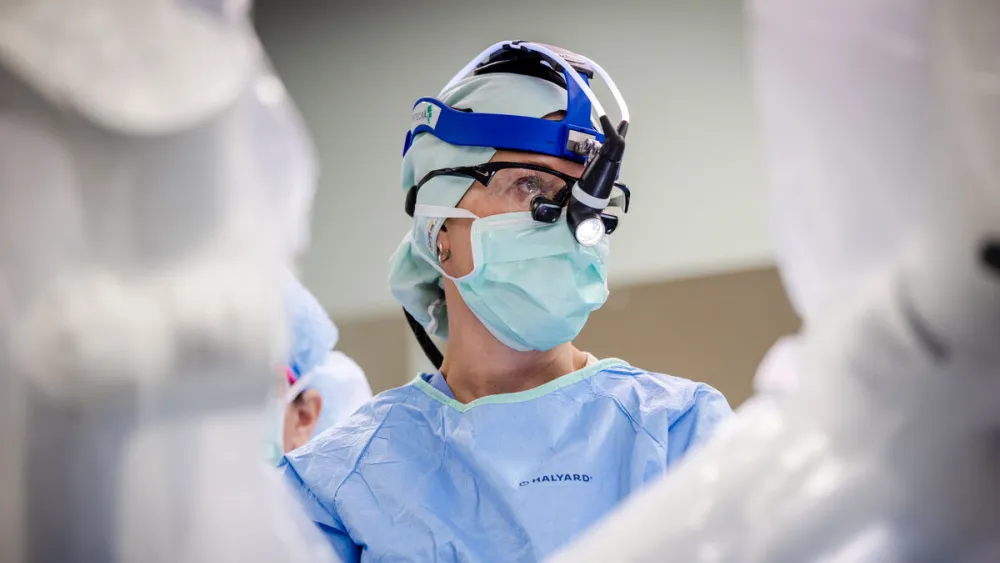
Methodist Health System is embracing the most advanced minimally invasive cardiothoracic surgery options – and patients are reaping the benefits.
With a team led by cardiothoracic surgeon HelenMari Merritt, DO, Methodist Hospital is the only facility in Nebraska or the region to robotically perform mitral valve repairs and coronary artery bypass graft (CABG) procedures.
A mitral valve procedure aims to repair the leaking or narrowed flaps that allow blood to pass from one chamber of the heart’s left side to another. A CABG treats coronary artery disease by using a blood vessel from elsewhere in the body to bypass the blocked coronary artery. Previously, both procedures called for open-heart surgery – along with its risks, discomfort and extended recovery time.
Thanks to the da Vinci surgical robot, surgeons can take a different approach to achieve often better results.
“I lovingly say that it's the same surgery on the inside but with smaller incisions on the outside,” Dr. Merritt said. “The robot really shines in the postoperative period. There’s less surgical bleeding and less need for transfusion, and we see less arrhythmias after surgery. The patient is able to return to their normal function sooner because we avoid dividing the sternum by using these techniques.”
Not every patient is the right candidate for robotic surgery, Dr. Merritt said. The Methodist team is thorough in considering the risks and long-term benefits of all treatment options.
“There are a lot of nuances that come into play in these complex decisions,” she said. “Our team approach helps us consider all options and choose the right intervention and technology for each patient. Dedicated surgeons and cardiologists come together to determine how we can tailor each therapy and innovation for every patient.”
Methodist began performing robotic mitral valve repairs in 2022 and robotic CABG procedures in 2025. Now, about a third of mitral valve procedures at Methodist are performed robotically. So far, a handful of patients have qualified for a robotic approach to CABG, but Dr. Merritt sees growth on the horizon.
The success of these robotic techniques is a testament to Methodist’s commitment to innovation.
“We’re the only healthcare system in the region that can offer all of these technologies,” Dr. Merritt said. “I'm so proud to be part of an organization and team that supports this type of forward thinking and gives patients access to the best care possible.”

Methodist Publications
Highlighting Methodist's medical technology, provider-patient relationships, compassionate care and more.
Check Out the Magazine