Heart care made clear: What to expect when cardiology steps in
Published: Feb. 5, 2026
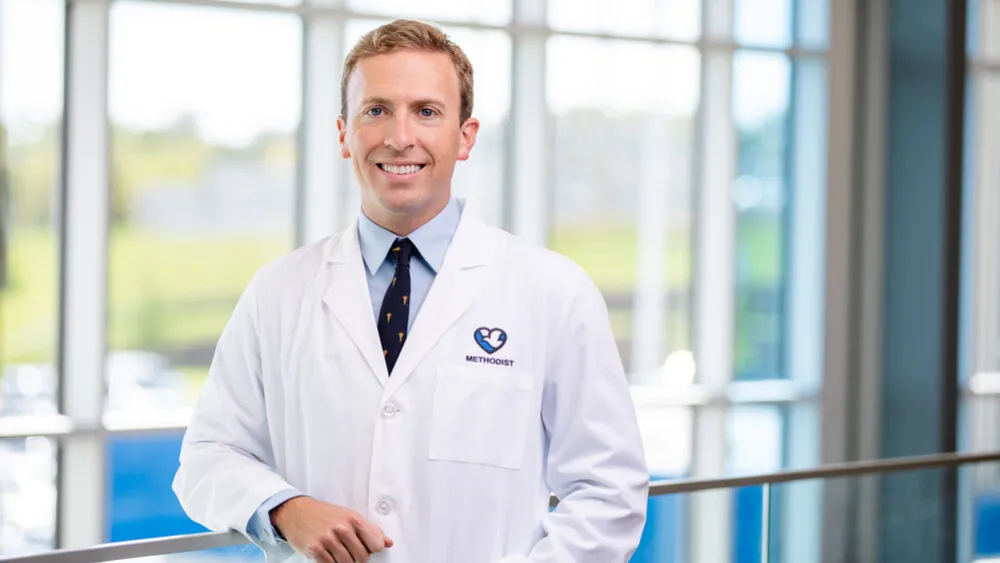
A Q&A with William Nester MD, an interventional cardiologist with Methodist Physicians Clinic – Westroads Office Park
Heart disease is one of the most significant health concerns for adults, yet many people aren’t always sure when it’s time to see a cardiologist. At Methodist, our team of cardiovascular specialists works collaboratively to diagnose, treat and prevent heart conditions – all in an effort to streamline your care and achieve the best possible outcomes.
Here’s a breakdown of the different cardiology specialists and what makes Methodist’s collaborative approach to heart care so unique.
What are the main types of cardiologists, and what do they do?
Cardiology comprises several subspecialties, including three nationally recognized fields: general cardiology, interventional cardiology and electrophysiology.
General cardiologists diagnose and treat adults with cardiovascular disease, interpret cardiac imaging and oversee clinical testing.
Interventional cardiologists provide this same care but also perform minimally invasive, catheter‑based procedures to treat blocked arteries, repair heart valves and address structural heart issues.
Electrophysiologists specialize in complex rhythm disorders and perform procedures to correct electrical abnormalities in the heart.
Methodist is also home to cardiologists with advanced training in lipid management, heart failure, cardio‑oncology and women’s heart health.
How might someone know it’s time to see a cardiologist?
Symptoms that should prompt a visit include:
- Mild chest pain or pressure
- Shortness of breath with activity
- Unexplained fatigue or weight loss
- Palpitations
- Swelling in the legs or ankles
- Dizziness or fainting
Many people overlook symptoms like fatigue, jaw or neck discomfort, or nausea – especially women – but these can be heart‑related.
We also see patients with risk factors, such as family history of heart disease, high blood pressure, high cholesterol, diabetes or tobacco use. While many patients come through primary care referrals, we also welcome self‑referrals.
When might someone need more than one type of specialist?
Your cardiologist will guide you to additional cardiac specialists if needed. This may occur with advanced valvular heart disease, rhythm disorders not responding to medication, lipid conditions resistant to standard therapies or coronary disease requiring specialized intervention.
We believe strongly in a team‑based approach. When a patient’s condition requires collaboration, we review cases, evaluate imaging and discuss treatment strategies together. Much of this coordination happens behind the scenes, but it ensures that patients receive the most informed and effective care possible.
What should a patient expect during their first visit?
Once a patient enters our care, we take ownership of their journey.
At Methodist, patients can expect a professional, caring and personalized experience. Before the visit, we review medical history, lab results and any relevant imaging. Our nursing team, schedulers and support staff work to make the process as smooth and seamless as possible. Most importantly, patients leave with a clear, highly individualized care plan.
How does Methodist approach heart care differently?
Continuity and a consistently compassionate approach are major differentiators. Our patients typically see the same physician in hospital and clinic settings, and they’re treated like family. This helps eliminate stress, anxiety and gaps in care. It supports high‑quality, comprehensive treatment that’s deeply personal.
What advanced technology or programs does Methodist offer?
Our goal is to continually pursue the safest, most effective technologies for our patients.
We offer:
- One of the region’s most robust percutaneous – or minimally invasive – left atrial appendage closure programs to help prevent strokes in patients with atrial fibrillation
- Complex coronary interventions
- A full range of percutaneous and surgical valve procedures
- Advanced electrophysiology ablation technology
- A strong cardiac rehabilitation program
- A Chest Pain Center in partnership with our emergency department and hospital medicine teams
When it comes to long-term heart health, prevention is key. We partner with you for risk‑factor management and age‑appropriate screening to help prevent cardiovascular disease.
If anyone has questions or wishes to be evaluated, our doors are always open. For sudden or severe symptoms, please seek emergency care immediately by calling 911.
Dr. William Nester is an interventional cardiologist at Methodist Physicians Clinic – Westroads Office Park with a particular interest in treating heart attack patients. To schedule an appointment with Dr. Nester or another Methodist provider, visit bestcare.org/heart.