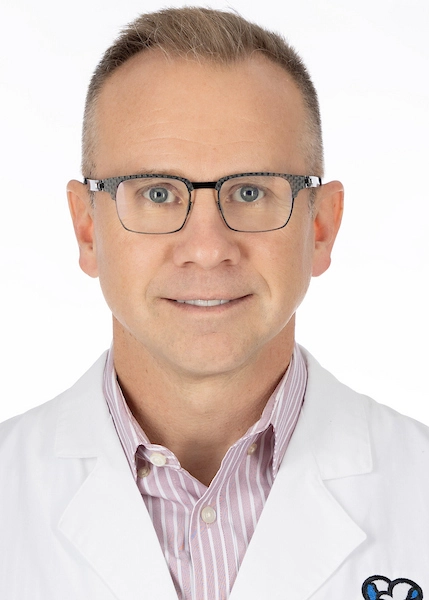
Improving asthma or COPD symptoms can be ‘life-changing’ for patients
Published: Sept. 15, 2025

Unfortunately, asthma and chronic obstructive pulmonary disease (COPD) are both underrecognized and underdiagnosed lung diseases. If they are properly identified, we have many opportunities to improve a patient’s symptoms and quality of life.
With Asthma Peak Week typically during the middle of September – when asthma flare-ups are the highest because of the amount of pollen and respiratory viruses circulating – now is a great time to learn the facts and how Methodist plays a vital role in caring for patients with asthma or COPD.
What symptoms do patients with asthma or COPD experience?
The four cardinal symptoms of asthma and COPD are: shortness of breath, chest tightness, wheezing and cough. COPD tends to be more related to shortness of breath and cough, while patients with asthma typically experience more chest tightness and wheezing – but that’s not always the case.
COPD is generally caused by toxic inhalation – by far the most common is related to smoking.
Asthma is more of an inflammatory condition. We generally think of asthma more in childhood – and that tends to be a more allergy-driven condition – but asthma can develop at any point in our lives. I have asthma and developed it when I was in my 40s.
There’s also a disease called asthma-COPD overlap syndrome that is common for people in our area.
How does Methodist help people who suffer from various lung diseases?
First, we have to correctly diagnose the condition. There are a lot of patients who are short of breath, and a lot of times it’s attributed to their weight, lack of physical activity or age.
It’s important to take a good history, ask about the symptoms they’re experiencing and complete a pulmonary function test. We also have advanced testing available, such as the FeNO (fractional exhaled nitric oxide) breath analysis test that can tell us about inflammation of the airway.
Looking at lab results and doing imaging can also be helpful. A chest X-ray or CT scan might suggest that a patient with COPD has emphysema.
After we make the right diagnosis, then it’s important to help a patient quit smoking if they happen to smoke, get them on an exercise routine and prescribe medications, particularly inhalers.
Why are you so passionate about caring for patients with pulmonary diseases?
First and foremost, I have asthma, and it’s gotten more severe in the last couple of years. It limits me.
I’m training for a marathon right now, and I have mornings when it’s really hard to run because I have so much chest tightness and shortness of breath. I know what my patients with asthma and COPD are experiencing. I know what shortness of breath feels like, and I don’t like it. I want to prevent that symptom for me and for my patients.
The best part of my day is when I see a patient for a follow-up who says, “I feel tremendously better. I’m able to get back to doing activities. I’m able to get back to exercising.”
What’s really nice about today’s medicine is that we have an opportunity to really improve symptoms in a life-changing way.
What recent advancements have helped you care for patients?
The mainstay of treatment remains inhalers, but we have to make sure that we choose the correct one from the dozens of options. They come with different combinations of medications and different doses, and a patient’s insurance might cover only certain ones.
The biggest advancement in the last 10-15 years is biologics, which are injectable medicines. The FDA has approved six biologics for asthma, and, within the past year, two have been approved for COPD. These are absolutely game changers in reducing symptoms and flare-ups.
Omaha was listed at No. 34 on the Asthma and Allergy Foundation of America’s 2024 Asthma Capitals report. What does that mean?
Over the past several years, Omaha has been on the foundation’s list of 100 most difficult places to live with asthma. In fact, not too long ago, we were in the top 10. The reason for that is our mortality rate – the amount of people who die because of their asthma.
I’m a pulmonologist who also works in the critical care unit of the hospital. To see a young person – which is the case most times – die from asthma and see their families in tears leaves a mark on me.
Omaha’s my home. This is my community. These are our patients. These are preventable events.
Omaha was listed at No. 18 in 2023, and we’re heading in the right direction because of all the teamwork of the subspecialists in our community.
To schedule an appointment with Dr. Krajicek or another Methodist provider, visit bestcare.org/providers.