
An innovative treatment option for advanced melanoma: Understanding T-VEC therapy
Published: July 2, 2026
Summer is here.
More people are spending time outdoors, and conversations about sun safety and skin cancer naturally become more urgent. For individuals facing advanced melanoma – the most serious form of skin cancer – the stakes feel even higher. The diagnosis can be overwhelming, and treatment decisions often come at a time filled with fear, uncertainty and hope.
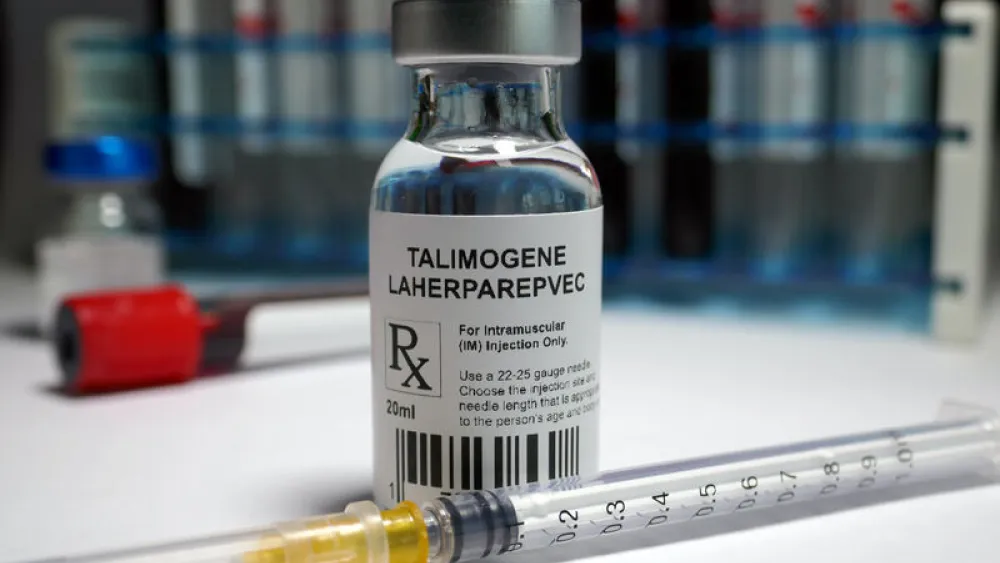
But today, patients have more options than ever before. One of the most innovative is T‑VEC (talimogene laherparepvec) therapy – an FDA‑approved oncolytic viral treatment that uses a carefully modified virus to help the body recognize and destroy melanoma cells. While it isn’t right for everyone, it can offer hope for patients who’ve exhausted other options or need a more targeted approach.
How does T‑VEC work against melanoma?
T‑VEC is derived from the same virus that causes cold sores, but it has been safely modified in the lab so it can’t cause a typical herpes infection. When injected directly into melanoma tumors, the virus acts almost like a signal flare for the immune system – alerting it to the cancer cells and prompting a stronger, more focused attack.
Over time, this immune activation can shrink tumors and help control the disease. Treatment begins with a low‑dose injection to ensure tolerability. A higher dose follows a few weeks later, and injections continue every two weeks for up to six months – or until the tumor disappears.
Why use a virus at all?
Patients with advanced melanoma often undergo a combination of treatments, including surgery, immunotherapy, molecularly targeted therapy and, in some cases, radiation. T‑VEC doesn’t replace these therapies, but it can be a powerful option for patients who:
- Aren’t candidates for other therapies
- Haven’t responded well to previous treatments
- Have injectable melanoma deposits that can be directly targeted
For these patients, T‑VEC may offer something incredibly meaningful: disease control, symptom relief and, in some cases, long‑term survival.
Is it safe? What are the side effects?
Like any therapy, T‑VEC has potential side effects. Most are mild and temporary, such as low‑grade fever, fatigue, muscle aches or injection‑site discomfort. Because the treatment uses a modified herpes virus, certain precautions are taken to avoid exposing pregnant individuals, young children or people with weakened immune systems.
While there is a theoretical risk of herpes‑related infection, the risk is low.
Who is considered a candidate for T-VEC?
T‑VEC is not appropriate for all melanoma patients. It’s typically considered for those with advanced, often incurable disease. The decision to use this therapy requires careful evaluation, coordination among specialists and shared decision‑making with the patient.
Every case is unique. Factors such as overall health, disease extent and prior treatments all help determine whether T‑VEC is the right path forward.
How impactful has the therapy been so far?
T‑VEC was approved in 2015. Methodist began offering it in 2018, and so far, nearly a dozen patients have received this treatment. That number may seem small, but for those individuals, this therapy has been life-changing.
Some patients have achieved long‑term survival – living more than eight years after receiving T‑VEC for cancers that were initially considered incurable. These stories are a powerful reminder of why innovation matters and why expanding access to specialized treatments is so important.
While T‑VEC isn’t for everyone, it represents an important addition to the tools we have for treating advanced melanoma.
For the right patient, it can offer something priceless: hope, healing and the possibility of a longer life