

Healthy Lifestyle
‘It’s a whole-health thing’: Gretna man finds success with Methodist’s bariatric surgery program after other failed weight-loss efforts
Published: June 18, 2026
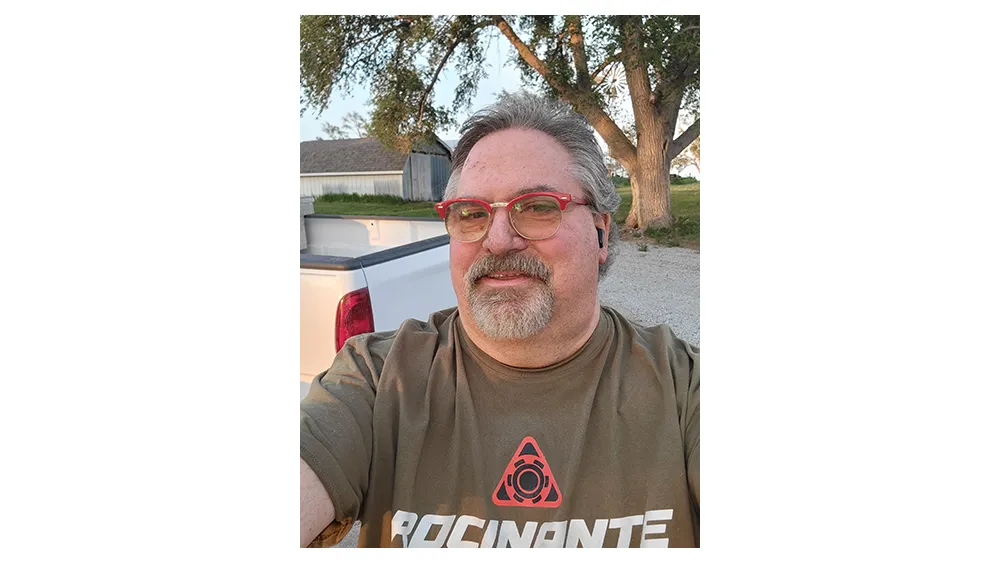
For years, Pete Gunderson tried to lose weight on his own.
He tried different diets. None of them helped.
He tried GLP-1s, but he experienced multiple side effects and would get very sick.
Medications he took to combat his type 2 diabetes and asthma also made losing weight very difficult.
The constant struggle to make any progress also took a toll on his mental health.
Gunderson, 64, had previous discussions about bariatric surgery with his primary care provider, Ryan Isherwood, MD, at Methodist Physicians Clinic - Gretna, but he never seriously considered it. His adult children also pushed him to seek additional help, but he remained reluctant.
“The admission that you can’t do it by yourself is difficult,” Gunderson said. “For me, that was probably the single biggest thing.”
Finally, Gunderson relented and completed Methodist’s bariatric surgery patient intake form before making an appointment.
“My health had deteriorated to the point where I couldn’t do any of the things that I wanted to do,” he said. “I couldn’t play with my grandkids. It was even hard for me to walk into Costco to get my prescriptions filled.”
Entering the program
Last summer, Gunderson weighed almost 340 pounds and struggled to walk into Methodist Physicians Clinic at 8111 Dodge St. in Omaha when he first met Methodist bariatric surgery program coordinator, Ali Hunter, APRN, NTP. He was more than 100 pounds heavier than when he was in his 30s.
During initial appointments, he learned the expectations of the program and discussed his goals.
“Our program meets people where they’re at,” said Brad Winterstein, MD, a Methodist bariatric surgeon. “We offer surgical options, but more importantly, we work with people for the long haul. We want people to make changes for a lasting outcome.”
According to Dr. Winterstein, insurance companies require patients to spend three to six months going through a weight-loss program before they can have surgery. Sometimes that time can be longer, but it’s rarely shorter than three months. During that time, some patients discover that surgery isn’t the best option for them.
“True bariatric success starts before the surgery even happens,” Hunter said. “From the first consultation, Pete and I discussed all the lifestyle and dietary changes that needed to be made.”
Gunderson believes that it was easier for him to feel motivated to make those changes because of the way he immediately connected with Hunter and Dr. Winterstein.
“To be in an environment where everyone is a cheerleader – not just for surgery, but for health,” Gunderson said. “They made me feel good again.”
Benefits of surgery
In late October, Gunderson underwent a laparoscopic sleeve gastrectomy, which involved removing 80% of his stomach. The surgery was completed robotically and left only four one-inch incisions that are now barely visible. He also didn’t experience much pain postoperatively.
“Recovery was easy,” he said.
Gunderson also said that he started feeling better “almost immediately.”
About eight months postsurgery, Gunderson found himself 70 pounds lighter than when he met Hunter last summer.
“I’m already feeling so much better, and I can’t imagine how much better I’ll feel when I lose another 50,” he said.
He’s back to playing with his grandkids, and it’s no longer a chore to run errands. He also went golfing in May, something that he says was “unthinkable” at this time last year.
“The result of the weight loss isn’t just needing a new wardrobe – although that’s nice,” Gunderson said. “I sleep better. My diabetes is better. I also have asthma and that’s better, because the more active I am, the better my lungs are. It’s a whole-health thing. It’s not just a weight-loss thing.”
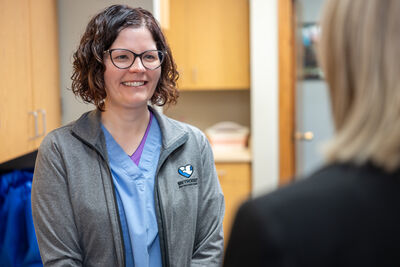
Gunderson currently uses about a quarter of the insulin he did before meeting with the bariatric surgery team, and his A1c dropped from about 7.6 to 5.6 – which is often considered a normal level. He also no longer has to use his inhaler as often and has backed off on the amount of blood pressure medication he needs.
“I expected to lose weight,” he said. “I did not expect to see such a dramatic change in my whole health.”
The road ahead
Although he’s getting back to doing the things he loves, Gunderson isn’t quite where he wants to be.
“When I was in my 30s, I was 215 and solid. I was in shape,” he said. “I’d like to get back to that. I recognize that I’m 64. It’s not going to be the same, but it’d be nice to get back to that weight."
Gunderson believes that having strong family support has helped him stay motivated during his weight-loss journey, but he also can’t say enough good things about the Methodist program, the clinic and even the care he received during his surgical experience at Methodist Hospital.
“For me, it’s been life-changing,” he said.
Gunderson continues to meet with Hunter and the bariatric surgery team regularly, which is important for his continued success.
“Long-term wellness relies heavily on what happens after you leave the hospital following surgery,” Hunter said. “His continuous progress shows that a collaborative, patient-centered approach to healthcare delivers lasting results.”

The Meaning of Care Magazine
Highlighting Methodist's medical technology, provider-patient relationships, compassionate care and more.
Check Out the Magazine