
Healthy Lifestyle
Trust your gut (and look at your poop): Your guide to IBS
Published: Jan. 28, 2026
Do you suffer from chronic gastrointestinal pain or cramping? Do you have frequent diarrhea, constipation, an urgent need to go or perhaps all the above? If so, you may have irritable bowel syndrome (IBS).
Living with IBS is often about more than just physical discomfort. You may find yourself:
- Avoiding places where restrooms aren’t easily accessible
- Canceling plans or declining invitations due to sudden symptom flares
- Steering clear of the foods and drinks you love to prevent symptoms from worsening
Understanding IBS
IBS is a chronic condition defined by recurrent abdominal pain associated with changes in your bowel habits. To meet the clinical definition, symptoms typically occur on average at least one day per week in a three-month time frame.
It’s a common condition, affecting up to 15% of Americans. It tends to be more frequent and severe in women, particularly younger and middle-aged (35-50 years old).
Identifying your type: The Bristol Stool Form Scale
Paying close attention to your poop can provide valuable information for your health!
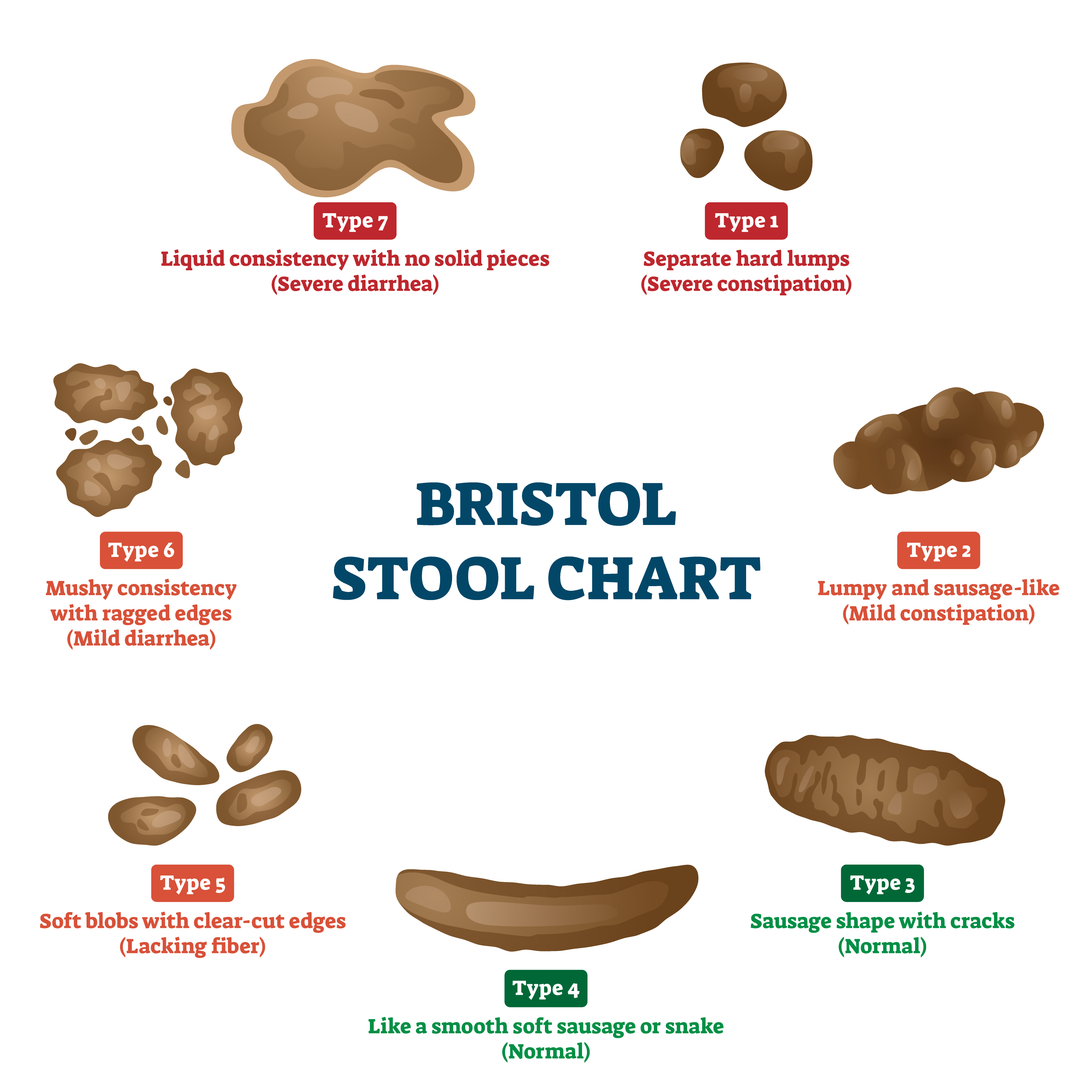
Medical providers use the Bristol Stool Form Scale (BSFS) to classify stools into seven categories based on shape and texture.
Using this scale helps eliminate the guesswork and awkwardness of finding the right words when talking to your provider. It also helps determine which of the three types of IBS you may have:
- IBS-C (Constipation): Marked by abdominal pain, cramping, bloating, infrequent bowel movements and hard stools
- IBS-D (Diarrhea): Characterized by abdominal pain, cramping, bloating, urgency, frequent movements and loose or watery stools
- IBS-M (Mixed): Accompanied by both constipation and diarrhea
When to seek immediate medical attention
While IBS is not life threatening and does not lead to cancer, it is important to distinguish it from more serious conditions. Contact your provider immediately if you experience:
- Blood in your stools
- Symptoms accompanied by fever, chills or dramatic weight loss
- Persistent nausea and/or vomiting
- Nocturnal symptoms: IBS generally does not wake you up in the middle of the night with pain or urgency
Your quality of life is worth the conversation
If you’ve been ignoring your gut issues because of embarrassment, you’re not alone – but your symptoms are valid and deserve attention. IBS is a treatable and manageable condition. While there is no "one-size-fits-all" cure, most people find significant relief through dietary adjustments, lifestyle changes and modern medical therapies.
If you suspect IBS or another chronic condition, here are your next steps:
- Keep a diary: Use the BSFS as a guide. Keep a two-week diary of your bowel movements and symptoms.
- Schedule an appointment: Bring your diary to your primary care provider to start the conversation.
Talking to a professional can provide the clarity of an accurate diagnosis, helping you move away from discomfort and toward a life of greater ease.
A note on preventive care
While IBS is not a risk factor for cancer, it is still essential to stay current with routine screenings. The American College of Gastroenterology and other medical organizations recommend that colorectal cancer screenings begin at age 45 for individuals at average risk. If you have a family history of colon cancer or other risk factors, your provider may recommend starting these screenings even sooner.
Always discuss your full medical history with your health care team to ensure that you are on the right screening schedule.
References
- Diagnosis and Treatment of Irritable Bowel Syndrome: A Review. JAMA. 2021. Camilleri, M.
- ACG Clinical Guidelines: Management of Irritable Bowel Syndrome. The American Journal of Gastroenterology. 2020. Ford AC, Moayyedi P, Chey WD, et al.
More Resources
- Learn more about the color of your urine.
- Find a primary care provider.
- Learn more about colon and rectal surgery at Methodist.
About the Author


The Meaning of Care Magazine
Highlighting Methodist's medical technology, provider-patient relationships, compassionate care and more.
Check Out the Magazine