Methodist bariatric surgery program focuses on long-term success, not a quick fix
Published: June 16, 2026
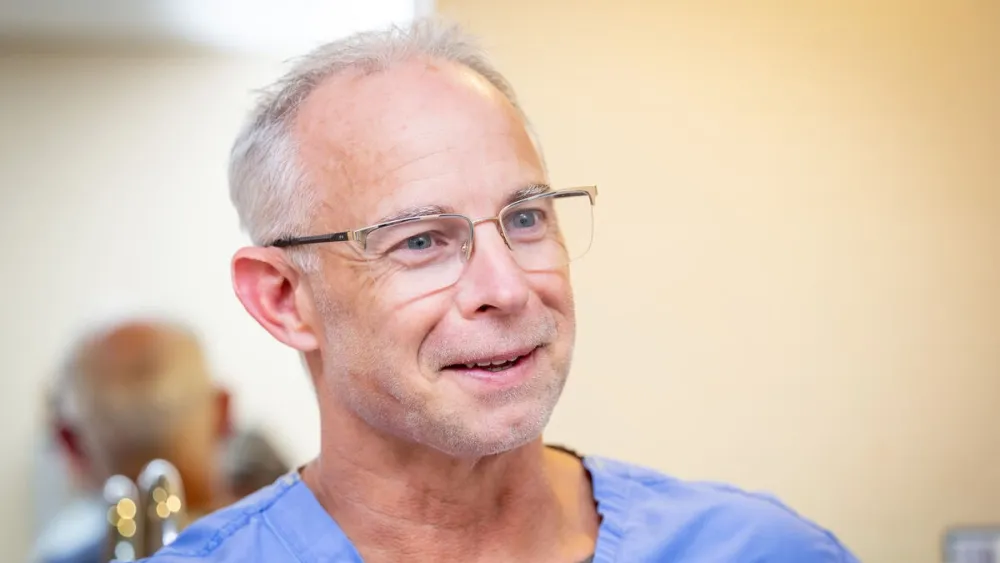
A Q&A with Brad Winterstein, MD, a Methodist bariatric surgeon
Obesity is a chronic disease. There’s no quick fix. You shouldn’t start new medications, make dietary changes or adjust your lifestyle if you don’t know the lasting effects or aren’t sure if you can sustain those adjustments for the long haul. You need a long-term plan.
That’s where the Methodist bariatric surgery teams in Omaha and Council Bluffs can come in. We want to partner with you on your weight-loss journey, carefully evaluating your unique needs and crafting a comprehensive plan to help you achieve your goals.
What makes the Methodist bariatric surgery program stand out?
At our Omaha clinic, we have two surgeons who have a long track record of bariatric surgery. We have consistently good outcomes and don’t have outliers.
Most of our surgeries are completed robotically, which allows us to be more precise and help patients experience less postoperative pain and a quicker recovery.
It’s also intentional that we have a small team. We take the time to get to know your whole story. Our smaller size also leads to more patients naturally reaching out to us if they need anything because they know that we see each of them as an individual and not a number.
Additionally, we’re the only program in the metro area recognized as an Aetna Institute of Quality.
Why should people make an appointment with Methodist’s team?
Our program meets people where they’re at. We offer surgical options, but more importantly, we work with people for the long haul. We want people to make changes for a lasting outcome.
With our program, you’re going to get personal interactions and not just a cookie-cutter plan. If you’re simply taking a GLP-1 on your own, you might be losing weight, but you don’t know if it’s healthy weight loss, and you might experience struggles along the way.
Our team wants to help you through all the ups and downs of your journey.
What should a new patient expect?
Most people start the process by meeting with our program coordinator, Ali Hunter, APRN, NTP, to go over everything – including what to expect from our program and what insurance expects – and to discuss their goals.
On average, insurance companies require patients to spend three to six months going through our program before they can have surgery. Sometimes that time can be longer, but it’s rarely shorter than three months.
By a patient’s second or third visit, I’ll have all the information that Ali gathered, and we’ll come up with a plan.
The two most common procedures we’re doing these days are Roux-en-Y gastric bypasses and sleeve gastrectomies. But it’s important to note that we might decide that surgery isn’t the best option. We also have an effective weight management program.
Why is it important to partner with experts for a weight-loss journey?
Long-term outcomes and success can’t be achieved alone. Anyone can lose weight in the short term, but maintaining that weight loss is what people are looking for. If you encounter a bump in the road – which nearly everyone does – we’re able to help you through it so you can continue down the path of success.
Our goal is to help you lose weight in a healthy way. You could lose a lot of weight on your own, but that could include loss of muscle mass or bone density. You might be lighter on the scale, but if you’re losing too much muscle mass or bone density, you might be worse off from a health standpoint, especially as you age. That’s why it’s important to monitor body composition and blood levels, not just overall weight.
Is there any part of the journey that is more important than others?
The main thing is being consistent. Getting started is a good first step, but being consistent and being able to look at the long-term plan instead of how fast you can lose weight is what matters. We want to do this for health – not just for weight loss. Consistency is key.
Positive outcomes are measured by minimal complications as well as long-term success.
Brad Winterstein, MD, a Methodist bariatric and general surgeon, believes that listening is one of the most important parts of the patient-provider relationship.
Find a provider or learn more about the Methodist bariatric surgery program at bestcare.org/bariatric-surgery.