Methodist combines clinical excellence and AI-powered innovation to advance structural heart care
Published: Oct. 20, 2026
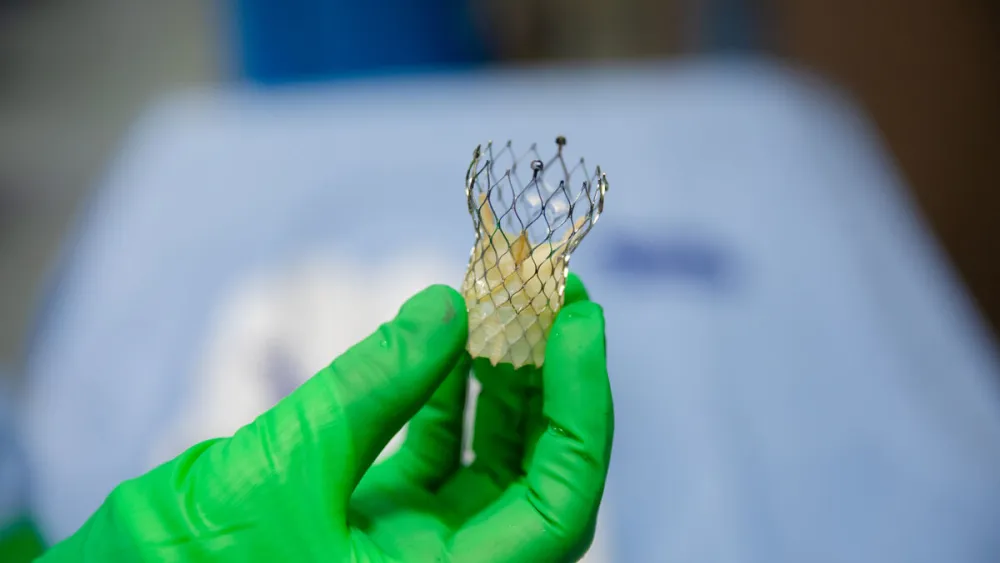
Methodist Health System is redefining what modern cardiovascular care can look like – and the results are already reshaping outcomes for patients with aortic stenosis (AS).
Seeking new ways to streamline heart care, Methodist turned to egnite CardioCare, an artificial intelligence (AI)-powered digital health platform that helps identify patients with severe heart valve disease and accelerate their path to treatment.
Since adopting CardioCare a year ago, Methodist has done just that and positioned its structural heart program among the nation’s most forward‑thinking.
For structural heart coordinator Cindy Valgora, BSN, RN, RCES, the impact was immediate, as the technology helped guide more patients to timely follow-up care.
"Our patient volumes increased 35% after we started using the platform,” she said.
A smarter, faster way to find patients
Methodist’s structural heart program – which focuses on repairing heart valve disease and addressing the wear and tear of heart valves – offers patients a variety of advanced catheter‑based and surgical treatments. The team’s multidisciplinary approach ensures that every patient receives a personalized treatment plan, whether that means watchful waiting or immediate intervention.
In recent years, Methodist’s approach to treating aortic stenosis – the narrowing of the aortic valve – has been strong enough to earn a place in the American Heart Association’s (AHA) ongoing national aortic stenosis initiative. It’s an opportunity extended to fewer than 100 participants nationwide and just two in Nebraska. At the heart of the initiative is a commitment to ensuring patients with symptomatic severe AS are treated within 90 days of diagnosis, helping to maximize outcomes.
“We were already treating these patients within that window of time,” Valgora said. “But if we can treat them quicker with the help of technology, why wouldn’t we?”
Before CardioCare, identifying untreated AS patients required someone to manually sift through thousands of echocardiogram reports to find patients who met criteria for prompt follow-up. It was a labor-intensive process that left room for human oversight.
Now, CardioCare reads the plain‑language echo reports generated from providers across the entire health system and categorizes patients by disease severity. With a few filters, the platform flags patients with severe AS, enabling the structural heart team to quickly connect with them and route them directly to the structural heart clinic. As a result, patients can access specialized care within just a couple weeks.
“Patients are absolutely noticing the difference,” Valgora said. “Many of them are very appreciative that they don’t have to wait two to three months to be seen.”
Amplifying clinical expertise with strategic enhancements
CardioCare hasn’t just fueled the growth of Methodist’s structural heart program. It has helped quantify that growth in ways that drive action. The platform’s workload-tracking functionalities helped Methodist secure additional resources to support increasing demand – including more staff, equipment and operating-room time.
What CardioCare doesn’t do, Valgora emphasized, is replace physician judgment.
“We will always trust our doctors more than we trust AI,” she said. “Contrary to some platforms out there, the AI in CardioCare is not reading the echos for us – our doctors still do all the work.”
CardioCare, she explained, simply amplifies the providers’ expertise by making the critical data that comes directly from them in plain language easier to find and act on.
A future built on innovation and access
Methodist’s expanding impact in structural heart care underscores what’s possible when technology and clinical excellence work hand‑in‑hand.
For patients, it means faster answers, earlier treatment and greater peace of mind. For the health system, it creates a roadmap for addressing other cardiovascular conditions in the future. The structural heart team plans to tackle mitral and tricuspid valve disease next, as these conditions are quickly becoming more common in an aging population.
“The difference we’re making now tells us that we cannot afford to stop at aortic valve disease,” she said. “We need to be extending this approach to other heart valve conditions, in which timely intervention can have a lasting impact on outcomes and quality of life.”