
Our People
Why I Came, Why I Stayed: Methodist clinical research coordinator Dru McMartin sees her role as a way to give back to her community
Published: Aug. 6, 2026
In “Why I Came, Why I Stayed,” you’ll get to know people who are making a difference every day at Methodist and how they contribute to providing The Meaning of Care. To explore career opportunities at Methodist, visit bestcare.org/jobs.
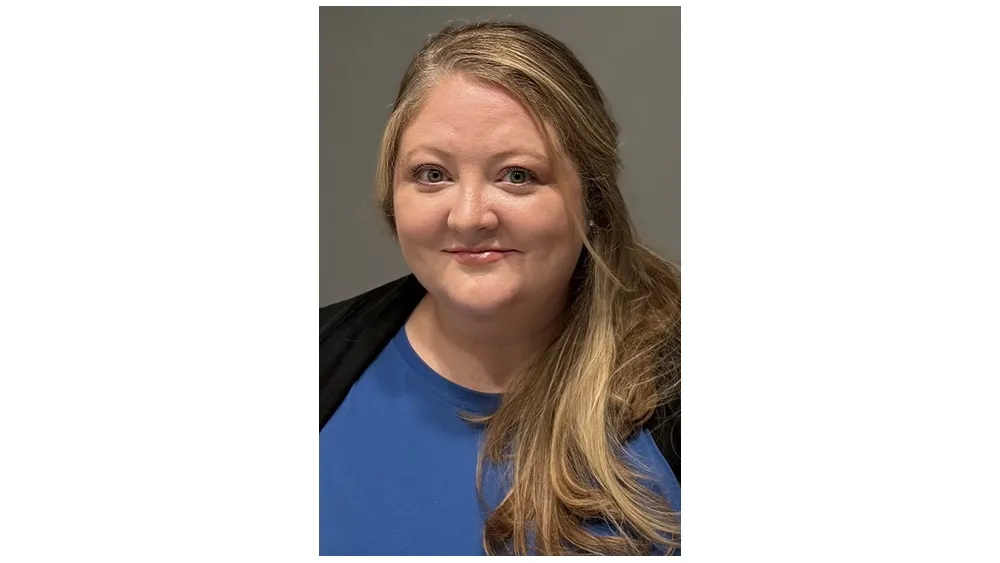
DruAnne (Dru) H. McMartin, CCRC, MA
Clinical Research Coordinator
Methodist Physicians Clinic - Westroads
Tell us about yourself.
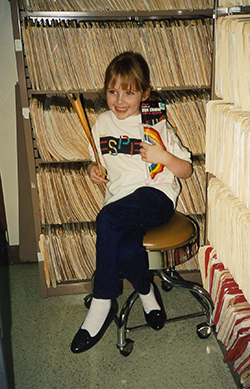
I’ve worked for Methodist since June of 2015. I say I’ve worked in healthcare since infancy, as my father is legally blind. From learning about autonomy and assistive devices to advocacy and innovation, in some way I’ve been a patient advocate my whole life. I have several physicians, nurses, care providers and health technicians in my family, so an appreciation of the medical field was ever present as I was growing up. I have pictures of me filing charts before I could read the content (and before HIPAA was enacted).
My first paid role in healthcare came in 2003 working in an emergency department as a greeter, and I’ve been in a healthcare-based role ever since. I’ve been part of every type of audit: FDA, OSHA, BIMO and USDA. I’ve worked on Phase I-IV studies, including building a study from the first protocol draft to the end of Phase IV in drug, device and observational studies. For higher education, I studied sociology and political science at the University of Nebraska-Lincoln. I also studied health administration and policy at Creighton University. When I’m not at work, I’m at home enjoying the arts or playing with a pet.
What brought you to Methodist?
I was born at Methodist Hospital. My oldest piece of Methodist swag is a “Big Sister” button from when my brother was born at Methodist Hospital three years after me. My friends, my family and my neighbors need and deserve to have the best options available to keep them happy, healthy and safe, and I think I can help provide that in my role. Having the top resources available to treat any ailment and support longevity is the best way I can think of to give back to my community.
What’s kept you here?
I’ve been grateful that my creative nature has been encouraged. Whether I’m laminating racehorses for an enrollment competition, learning a new skill to create source documents for the Institutional Review Board (IRB), racing over to the hospital for an emergency surgery or signing into a last-minute call with people on the other side of the world, there’s always someone to learn from, something to try or a new avenue to explore. Building research for Methodist in cardiology, pulmonology, electrophysiology, cardiothoracic surgery and vascular surgery has allowed me to work with so many passionate and talented people in the health system. I’ve been able to pull ideas from industry leaders and build on them to create processes based on what works best for our Methodist teams. This has made us a preferred location for research sponsors and a trusted source for best-practice training teams across the globe. The autonomy I’m given shows that my trustworthy and friendly nature is valued.
Do you have any favorite Methodist memories?
The best memories come from the different projects with Methodist teams. I’ve been honored to work with some of the most talented providers. I’ve been fortunate to bring some of the most cutting-edge science to Nebraska with the FARAPULSE PFA system, the WiSE-CRT device, PCSK9 studies, GLP-1 studies and the EKOS outcome study, HI-PEITHO. Some of the biggest breakthroughs in cardiology, pulmonology and vascular health have been from studies we’ve worked on. We’ve also been listed as an author on scholarly journal articles in The Journal of the American Medical Association (JAMA), the American College of Cardiology (ACC) and The New England Journal of Medicine (NEJM). Knowing our work is changing the face of medicine is truly rewarding.
Have you had a mentor or colleague who has stood out during your time at Methodist?
Our department has lost two amazing people in my time with Methodist. Kelly Rinn was an arrythmia technician and research coordinator who sadly passed away in 2018. She came in a few days before she passed to give me a hug and told me I was just what the department needed. I keep her memorial card next to me at my desk and regularly check with her to see if I’m making her proud. The other is Dr. Matthew Latacha, who passed away tragically in 2023. It was inspiring the way the providers came together to make sure his legacy was protected and his patients were cared for. Dr. Edmund Fiksinski, Dr. Traci Jurrens, Dr. David Sterns, Dr. HelenMari Merritt, Dr. William Nester and Meg Kinney all took on studies and additional training to support our department and ensure that there was support for the work we were doing. Research takes additional time our providers don’t have in abundance, so I’m grateful for every meeting, call or quick check-in. I want to thank all the doctors and APPs – too many to name – who have helped us get to where we are. Time is finite – giving it to our department does not go unnoticed.
What should people know about Methodist?
Methodist is a health system people gravitate to because they want to be patient focused and guided by Methodist’s mission of “improving the health of our communities by the way we care, educate and innovate.” Innovation and research are synonymous. Employees are held to the standard of not accepting the status quo. A culture of excellent work, a community of care and lots of research support are truly valuable.
I appreciate all the growth we’ve had so far and can’t wait to see what happens next for Methodist research!
The Meaning of Care Magazine
Highlighting Methodist's medical technology, provider-patient relationships, compassionate care and more.
Check Out the Magazine