Why mammography remains the gold standard for early breast cancer detection
Published: May 22, 2026
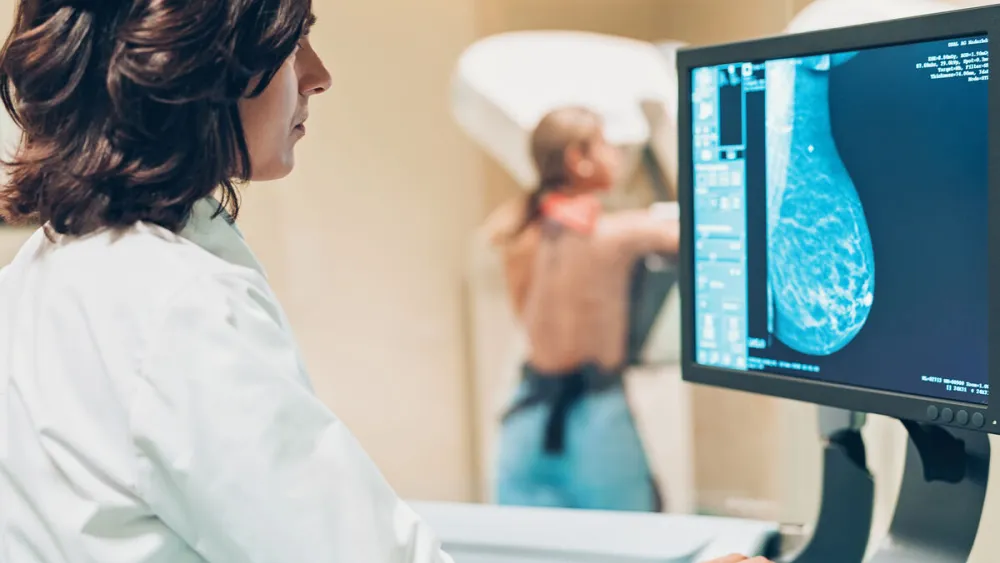
As a breast surgical oncologist, I meet women every day who are doing everything they can to protect their health. Yet my colleagues and I continue to field questions about ultrasound, thermography and other “radiation‑free” alternatives to mammography.
These options are gaining traction in mainstream media and on social media, but the truth is simple and urgent: They are not safe substitutes for mammograms.
Early detection changes everything
When breast cancer is found early, it is highly treatable. We can often perform less extensive surgery, and many women can avoid chemotherapy or radiation.
I cannot stress strongly enough how important early detection is for improving outcomes and preserving quality of life. Thanks to mammography, we’re finding more cancers at their earliest and most treatable stages – in which the five-year survival rate is 99%.
When breast cancer is caught early, many women are eligible for less invasive treatment – often a simple lumpectomy – and may be able to avoid more aggressive systemic therapies like chemotherapy. Even when radiation is recommended, early‑stage treatment is typically shorter, more targeted and associated with fewer long‑term side effects.
Achieving positive outcomes depends on using the most effective screening tool available – and using it consistently.
Why mammograms are so effective
They find cancers before you can feel them
Mammograms can detect abnormalities years before a lump becomes noticeable. In many cases, mammograms are helping us identify cancers as small as 2-3 millimeters in diameter.
They detect earliest-stage disease
Thermography relies on heat differences in breast tissue. But a tumor must grow large enough to alter temperature, meaning early cancers can be missed entirely.
They are safe
The radiation from a mammogram is very low. It’s equal to roughly a few months of natural background radiation you would encounter in daily life and similar to what you’d be exposed to during a long‑distance flight.
They are standardized and reliable
Ultrasound and thermography are highly operator‑dependent. Mammography uses standardized views, consistent imaging criteria and decades of evidence supporting its accuracy.
At Methodist women's imaging centers, you can expect caring staff members who will guide you through every step of your mammogram experience. Additionally, 3D mammography is offered at all Methodist mammography sites.
Ultrasound and thermography are not safe replacements
The American College of Radiology, the Food and Drug Administration and the American Cancer Society all agree: Thermography should not be used as a standalone screening test, and ultrasound should not replace mammography as the primary screening tool. These alternatives can create a dangerous false sense of security.
Breast ultrasound uses sound waves to create pictures of the breast. It can be helpful for looking more closely at an area after a mammogram finds something, but it can’t reliably spot the earliest warning signs of cancer on its own.
Thermography, on the other hand, takes images of heat patterns on the skin. While it may show temperature changes, it cannot detect the tiny calcifications that often signal the earliest stage of breast cancer.
When women rely on these alternative imaging methods alone, cancers can go undetected until they are larger, more advanced and harder to treat.
Who should get mammograms – and when
For women at average risk, the recommendation is clear: Begin annual mammograms at age 40.
For women with a strong family history or a lifetime breast cancer risk above 20%, screening should begin 10 years earlier than the youngest affected relative – but typically not before age 30.
Methodist Health System’s Hereditary Cancer Risk services are specifically designed to help people identify and confirm their level of risk through expert genetic counseling and testing.
My message to women
I know mammograms aren’t comfortable. I know they can lead to anxiety. I know it’s inconvenient to schedule them every year. But I also know this: They save lives.
I’ve cared for women who caught their cancer early because they stayed consistent with the right type of screening. And I’ve cared for women whose lives – and the lives of those they love – changed forever because they waited.
Trust the science and get the mammogram – for you, for them, for the years ahead.