

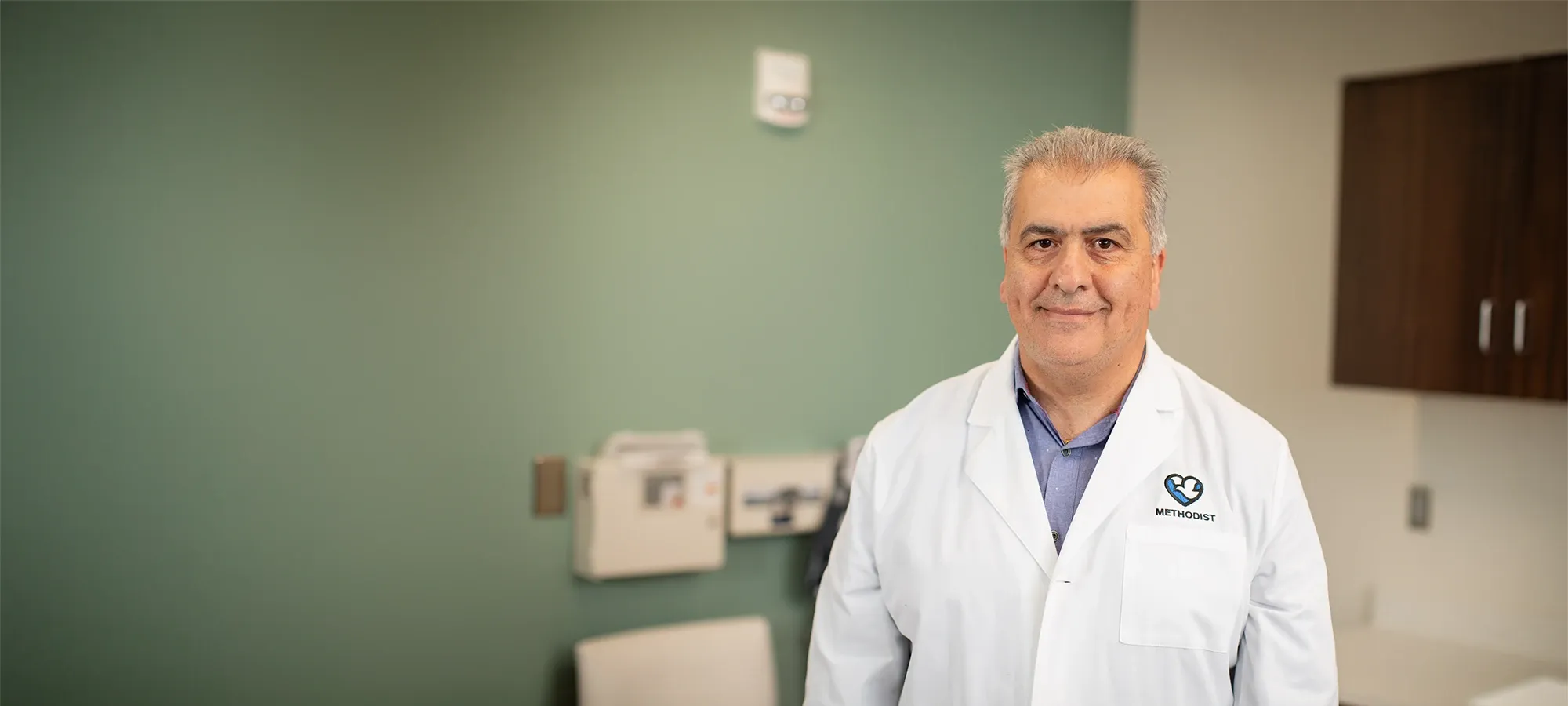
Electrophysiology
Methodist’s electrophysiology providers are experts in advanced testing, minimally invasive procedures and implantable devices. Together, they offer leading-edge care designed to help patients return to the activities they enjoy.
- Bariatric Surgery
-
Behavioral Health
- Inpatient Services
-
Outpatient Services
-
Community Counseling Program
-
Practitioners
- Roxanne Wayne, LIMHP
- Jerry Vobejda, LIMHP
- Brianna Sullivan, LIMHP, LPC
- Jordan Birkland, LIMHP
- Ryan Brown, LIMHP
- Robert Campbell, LIMHP
- Lindsay Corriveau, LIMHP
- Heather Dearinger, LIMHP
- Darren Flores, PLMHP, PCMSW
- April Haldeman, LIMHP
- Candice Harrington, LIMHP, LADC
- Jacob Hedlund, PLMHP, PCMSW
- Trista Hemenway, LICSW
- Tori Hudson, LIMHP
- Spencer Jackson, PLMHP
- Tabitha Jameson, LIMHP
- Monique Kellogg, PLMHP, PCSW
- Alex Keogh, PLMHP
- Alison King, PLMHP
- Debra Kissel, LICSW, LIMHP, LADC
- Sabrina Knerr, LICSW
- Tylinn Lewis, LIMHP, LIMFT
- Mikayla Linakis, PLIMHP
- Adrian Lynn-Genevieve, PLMHP
- Natalie Nelson, LICSW
- Alex Nguyen, PLMHP
- Jenny Omer, PLMHP
- Katie Pafford, LIMHP
- Angie Schindler-Berg, LMHP
- Stacey Taylor, PLMHP
- Brock Thornburg, LIMHP, CMSW
-
Practitioners
- Employee Assistance Program
- Methodist Fremont Health Outpatient Behavioral Health
- Methodist Jennie Edmundson Behavioral Health
-
Community Counseling Program
- Birth Services
-
Cancer Care
- Breast Cancer
- Cancer Nutrition Services
- Cancer Rehabilitation
- Cancer Support Services
- Cancer Treatment
- Clinical Trials
- Gynecologic Oncology
- Head and Neck Oncology
- Hereditary Cancer Risk Program
- Lung and Thoracic Oncology
- Oncology Social Workers
- Psycho-Oncology
- Radiation Oncology
- Skin Cancer
- Surgical Oncology
- Cardiovascular
- Clinical Trials
- Diabetes and Endocrinology
- Geriatrics and Senior Services
- Hospitalists
- Imaging
- Pathology
- Physical Therapy
- Primary Care
- Pulmonary Diagnostic Testing
- Sexual Assault and Domestic Violence
- Surgery
- Urology
- Women's Health
Find a Provider
Meet our electrophysiology specialists and find a health partner dedicated to your journey toward a healthier heart.
Why Choose Methodist for Electrophysiology Care?
If your heart feels like it's racing, fluttering, skipping beats or causing dizziness, our team can provide treatments that restore a healthier rhythm and improve quality of life. Our personalized approach means a treatment plan specific to your needs and goals.
What Is an Arrythmia?
Your heart relies on a precise electrical system to maintain a steady, healthy rhythm. When that system is disrupted, an arrhythmia can occur, causing the heart to beat too quickly, too slowly or irregularly. Some arrhythmias are harmless, but others may require medical attention to help prevent more serious heart problems.
Common Symptoms of Arrhythmias
- Heart palpitations: Palpitations are when your heart is racing, pounding, fluttering, skipping beats or beating irregularly.
- Slow heartbeat: Often called bradycardia, this is when your heart beats more slowly than normal. This can reduce blood flow to the body and may cause fatigue, dizziness, weakness or fainting.
- Lightheadedness: Your heart may not be pumping enough blood to the brain, which can lead to a feeling of dizziness, of unsteadiness or that you may pass out.
- Shortness of breath: You have difficulty catching your breath or feel like you can't get enough air. This may mean your heart isn’t pumping efficiently, which leads to shortness of breath during activity or while at rest.
- Extreme tiredness: Certain heart rhythm conditions can make the heart work less efficiently, leaving you feeling unusually exhausted.
- Anxiety: You may experience symptoms of anxiety when your heart is beating too fast, too slowly or irregularly.
- Fainting: You may experience loss of consciousness caused by a temporary decrease in blood flow to the brain. Fainting can be related to a heart rhythm disorder and should be evaluated by a healthcare provider.
Our electrophysiology team specializes in diagnosing and treating arrhythmias using the latest technology and treatment approaches – personalized to each patient. We offer advanced monitoring and testing, minimally invasive ablation procedures, and implantable devices to restore heart rhythm, relieve symptoms and help patients live healthier, more active lives.
Implantable Cardiac Devices Available at Methodist
Methodist has implantable and continuously managed solutions to help regulate slow or irregular heartbeats and protect against dangerous rhythms – each programmed to meet the unique patient’s needs.
Pacemakers
- Biventricular: This device helps the heart’s lower chambers beat in sync more efficiently.
- Wireless: This small device is placed directly inside the heart and works without traditional wires.
- Implantable cardioverter defibrillator (ICD): This device continuously monitors the heart for dangerously fast or abnormal rhythms. When needed, the device delivers treatment to restore a normal heartbeat.
Advanced Electrophysiology Treatments at Methodist
These minimally invasive procedures target the sources of abnormal electrical signals and, when appropriate, address stroke‑related risks—delivered by a coordinated electrophysiology team.
- Pulse field ablation: This approach uses targeted electrical pulses to treat abnormal heart rhythms while minimizing the impact on surrounding tissue.
- Convergent ablation: This combined surgical and catheter-based approach treats persistent or complex cases of atrial fibrillation.
- Cryoablation: This treatment uses extreme cold to block abnormal electrical signals to restore the heart to normal rhythm.
- Radiofrequency catheter ablation: By using heat energy delivered through a catheter, abnormal heart rhythms can be corrected at their source.
If you're experiencing symptoms of an irregular heartbeat or have concerns about your heart rhythm, schedule an appointment with one of our electrophysiology specialists by calling:
- Methodist Physicians Clinic - Westroads Office Park: (402) 391-5055
- Methodist Jennie Edmundson Hospital in Council Bluffs: (712) 396-4300
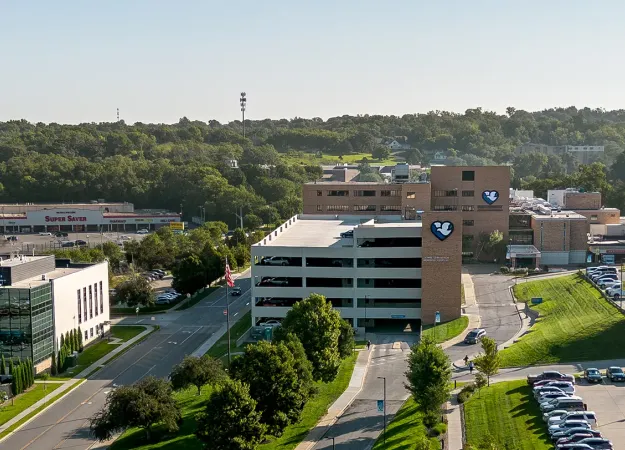
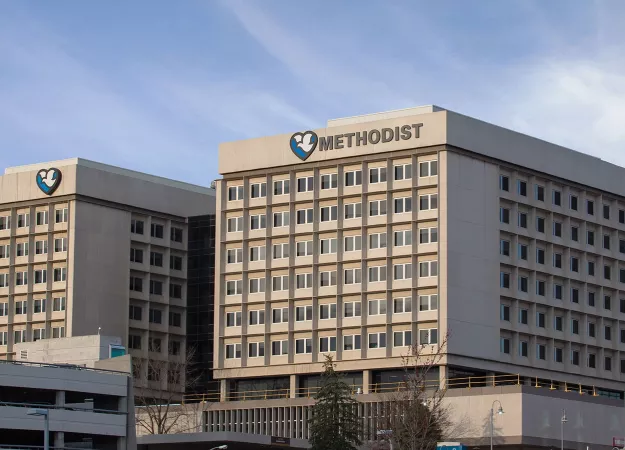
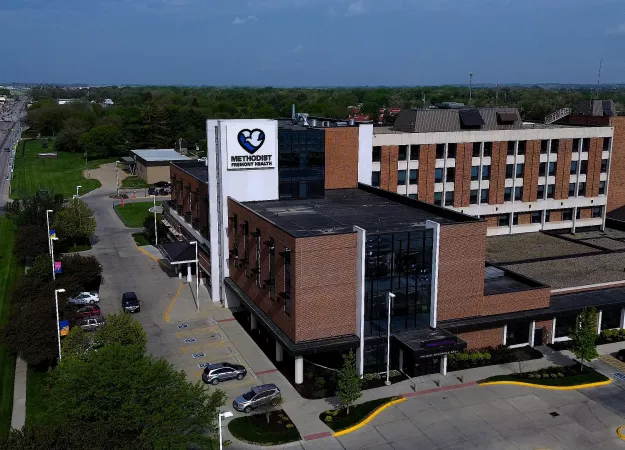
Electrophysiology Is Available at These Locations:
Meet Our Electrophysiology Specialists
Find a Provider
Meet our electrophysiology specialists and find a health partner dedicated to your journey toward a healthier heart.
Methodist My Care
Access your medical records, stay connected with your health care team and more – all in one convenient spot.